How App Interfaces from Key Software Providers Shape Deposit Thresholds and Self-Limitation Triggers in UK Mobile Casino Environments
Rosa Keller · Oct 13, 2026
How App Interfaces from Key Software Providers Shape Deposit Thresholds and Self-Limitation Triggers in UK Mobile Casino Environments
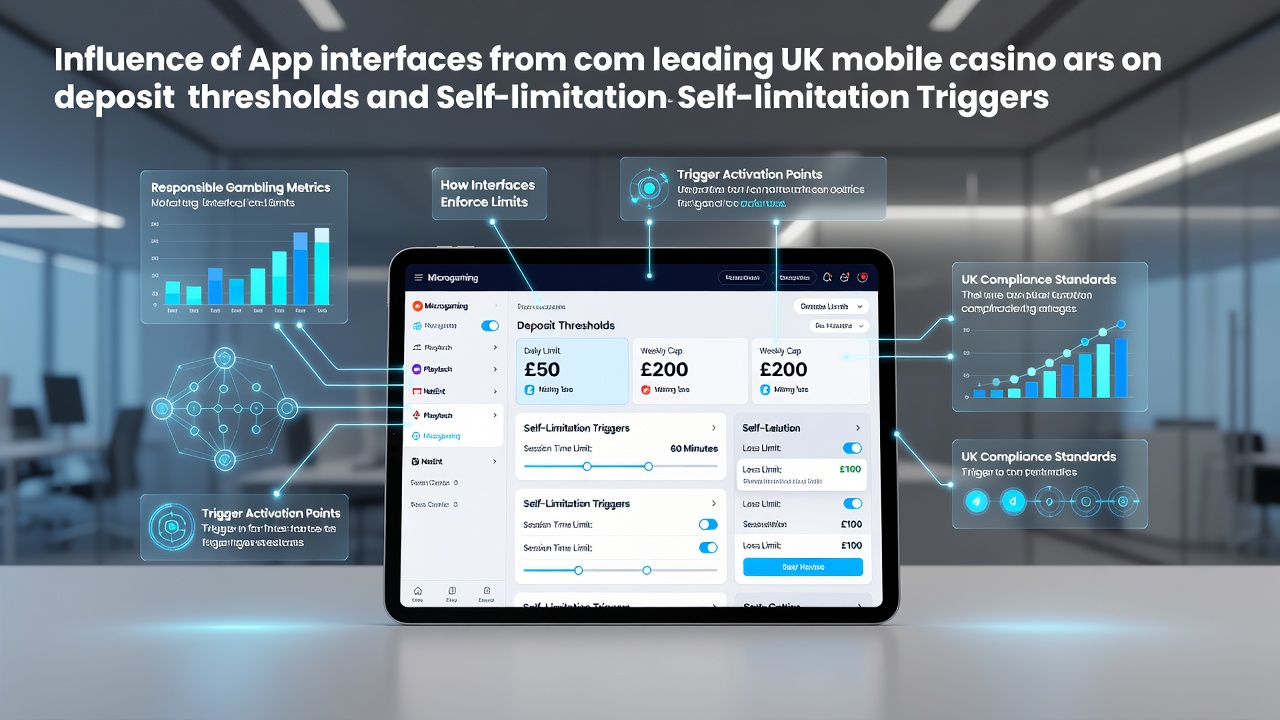
Software providers develop the core interfaces that UK mobile casino apps rely on, and these designs directly influence how deposit thresholds appear, function, and interact with user inputs throughout each session. Developers integrate visual cues, button placements, and menu structures that guide players toward setting financial boundaries, while also embedding triggers that activate self-limitation features when certain patterns emerge in gameplay data.
Research from academic institutions shows that interface elements such as slider controls for deposit caps and color-coded alerts for spending milestones alter the speed at which users adjust their limits. Those who've examined mobile gambling platforms note that providers embed these elements at the account setup stage, which means players encounter them before any real-money activity begins, and the same structures reappear during play to prompt adjustments based on session length or wager frequency.
Interface Design Elements That Define Deposit Thresholds
Key providers create modular code libraries that UK operators license and customize, yet the foundational logic for deposit thresholds remains consistent across many apps because it stems from shared development frameworks. Data indicates that these libraries include preset options for daily, weekly, and monthly deposit amounts, and the interface presents them through scrollable lists or tappable cards that reduce the number of steps required to confirm a limit. Observers note that when a provider updates its base template, operators must adapt their versions, which leads to synchronized changes across multiple casino brands at roughly the same time.
Studies found that the placement of confirmation buttons next to threshold selectors increases the likelihood that users complete the setup process rather than skip it. Experts have observed that providers test different layouts in beta environments before rolling out final versions, and the results feed into iterative improvements that appear in production apps by the following quarter. In October 2026 several providers plan to release updated libraries that incorporate dynamic threshold suggestions drawn from anonymized aggregate data across their client base.
Self-Limitation Triggers Embedded in App Flows
Self-limitation tools activate through a combination of time-based, spend-based, and behavior-based triggers that the software provider codes into the app's background processes. Researchers discovered that these triggers often link to the same database that tracks deposits, so an interface can display a pop-up message or temporarily dim the deposit button when a predefined threshold approaches. The design choice to use non-intrusive overlays rather than full-screen interruptions stems from usability testing that providers conduct with focus groups before deployment.
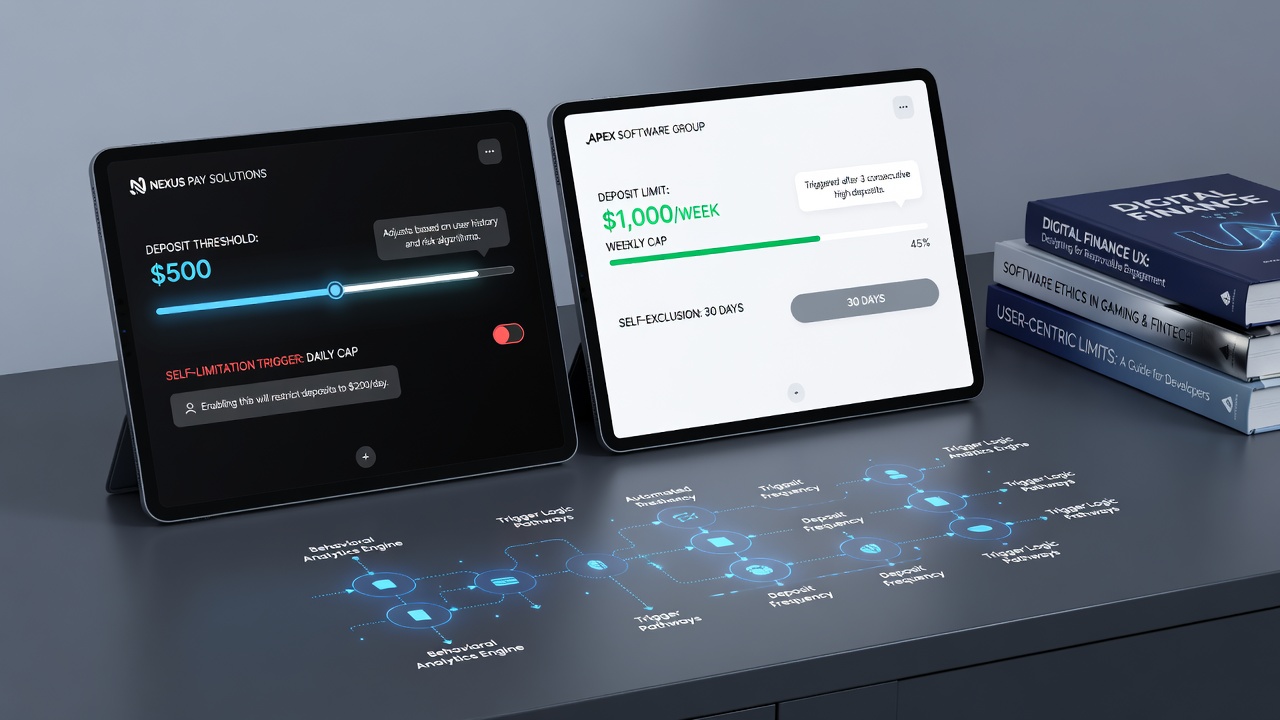
Figures reveal that providers who integrate these triggers at the session level rather than the account level achieve higher interaction rates with the limitation prompts. One study revealed that users respond more readily when the interface offers immediate options to extend a cooling-off period or transfer to a responsible gambling information screen. Those who've studied this know that the underlying algorithms monitor patterns such as rapid successive deposits or extended continuous play, then surface the relevant control without requiring the player to navigate to a separate settings menu.
Provider-Specific Approaches Across Major Platforms
Different providers handle the balance between customization for operators and standardization of core protection features in distinct ways. Some maintain strict control over the visual presentation of limit-setting screens, while others supply white-label components that operators can re-skin to match their brand. Industry reports from research institutions indicate that both approaches still rely on the same core event listeners that detect when a user crosses a deposit or time threshold, which ensures consistent trigger behavior regardless of visual differences.
Take one provider that supplies APIs for real-time limit adjustments during active sessions. The interface exposes these controls through a persistent menu icon, and the backend logs each change so that subsequent sessions reflect the updated parameters automatically. Another provider uses a wizard-style flow that walks the player through a series of questions about their typical spend before suggesting tailored thresholds, and this method appears in apps targeting newer users who may not have prior experience with limit tools.
Data Patterns and Regulatory Context Beyond the UK
Evidence suggests that interface-driven limit tools produce measurable effects on player behavior when tracked over multiple months. According to research published by the Responsible Gambling Council, structured prompts within mobile interfaces correlate with increased voluntary use of deposit caps across tested cohorts. Similar findings appear in reports from Australian regulatory bodies that monitor how interface variations influence self-exclusion uptake in their jurisdiction.
What's interesting is how providers synchronize these features with broader industry standards developed by trade associations. The process involves regular reviews of aggregated usage data, which then informs adjustments to default trigger sensitivity and the wording of on-screen messages. Observers note that this feedback loop continues throughout the year, with major revisions often coinciding with scheduled software updates that operators must approve before they reach end users.
Conclusion
App interfaces developed by key software providers establish the practical mechanisms through which deposit thresholds and self-limitation triggers operate in UK mobile casino environments. The placement of controls, the timing of prompts, and the integration of behavioral data all stem from design decisions made at the provider level and then implemented by operators. As platforms continue to evolve, the same interface structures that shape current limit-setting experiences will determine how future updates present new options to players while maintaining consistent protection features across different casino brands.