Mapping Provider Algorithms to Transaction Caps and Self-Limitation Tools Across UK Mobile Gambling Platforms
Noah Lang · Sep 1, 2026
Mapping Provider Algorithms to Transaction Caps and Self-Limitation Tools Across UK Mobile Gambling Platforms
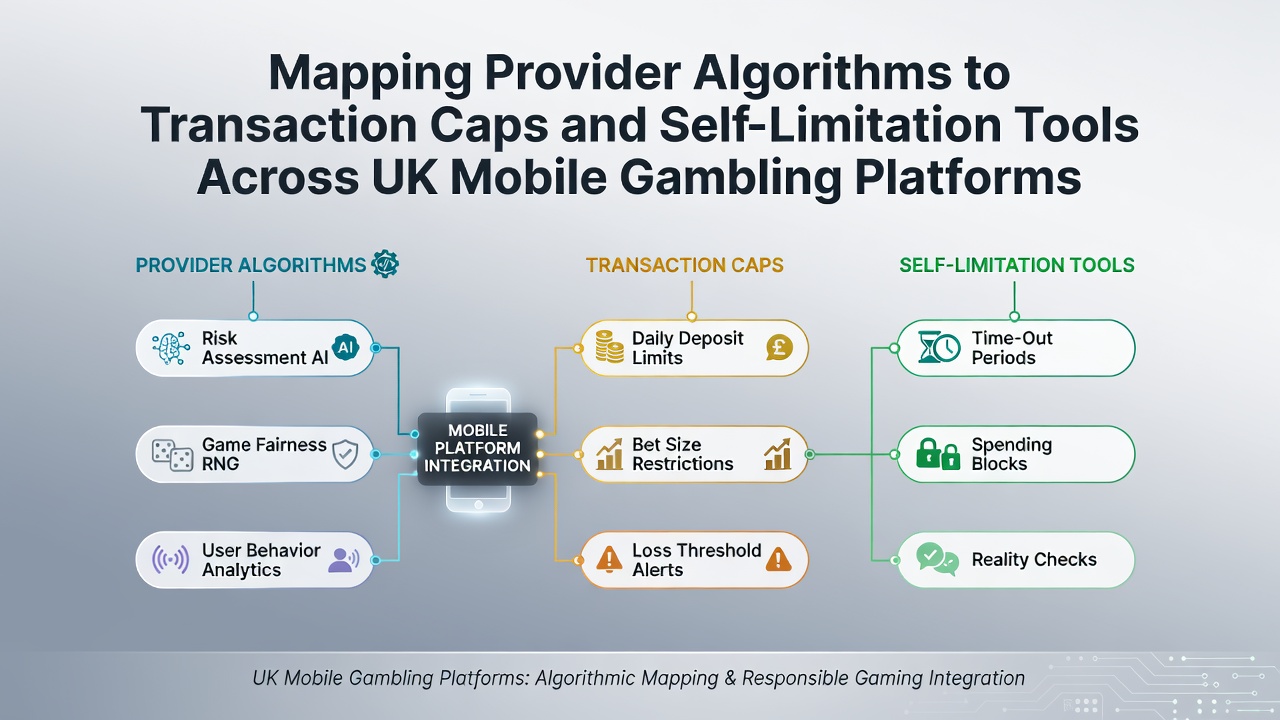
UK mobile gambling platforms rely on intricate mappings between game provider algorithms and user-facing controls that set transaction caps alongside self-limitation tools, and these systems process real-time data from betting sessions to enforce deposit limits, loss thresholds, and session timers. Providers develop core algorithms that calculate bet frequencies, payout structures, and volatility indexes while platform operators integrate these outputs with regulatory requirements that trigger automatic restrictions once predefined thresholds activate. Researchers have observed that such integrations occur through API endpoints where algorithm feeds send continuous updates on player activity to central limit engines, and this process ensures that transaction caps adjust dynamically based on individual patterns rather than static rules alone.
Algorithmic Foundations in Game Providers
Game providers embed specific parameters into their software that track metrics like average bet size, frequency of deposits, and win-loss ratios, then these parameters feed directly into mobile app modules responsible for transaction oversight. When an algorithm detects a rapid increase in wager amounts it signals the cap system to evaluate whether current limits require tightening, and operators configure these signals through mapping tables that translate raw data points into actionable commands for the self-limitation interface. Data indicates that platforms handling high volumes of mobile sessions use standardized data schemas to align provider outputs with UK-specific compliance layers, whereas variations appear when different providers employ proprietary volatility models that demand custom translation layers for consistent limit enforcement.
Transaction Caps and Their Technical Mapping
Transaction caps operate through layered controls that include daily deposit maximums, per-session bet ceilings, and withdrawal velocity governors, all of which receive inputs from provider algorithms that monitor account behavior in real time. One study revealed that mapping occurs when algorithm variables such as risk scores or play intensity metrics convert into numeric triggers that the platform's backend compares against user-set or default caps, and this conversion uses conditional logic statements that activate alerts or blocks when thresholds cross. Observers note that mobile implementations differ from desktop versions because they incorporate device-specific data like location signals and session duration on smaller screens, which allows finer adjustments to cap enforcement while maintaining performance across varying network conditions.
Platforms often employ middleware that sits between the provider algorithm and the user interface, and this middleware performs the actual mapping by converting continuous data streams into discrete limit states. Those who've studied these systems know that updates to provider algorithms, such as revised payout tables or new bonus mechanics, necessitate corresponding adjustments in the mapping logic to prevent unintended bypasses of caps, and September 2026 marks the scheduled rollout of enhanced compatibility protocols across several major UK operators that aim to standardize these mappings further.
Self-Limitation Tools and Integration Points
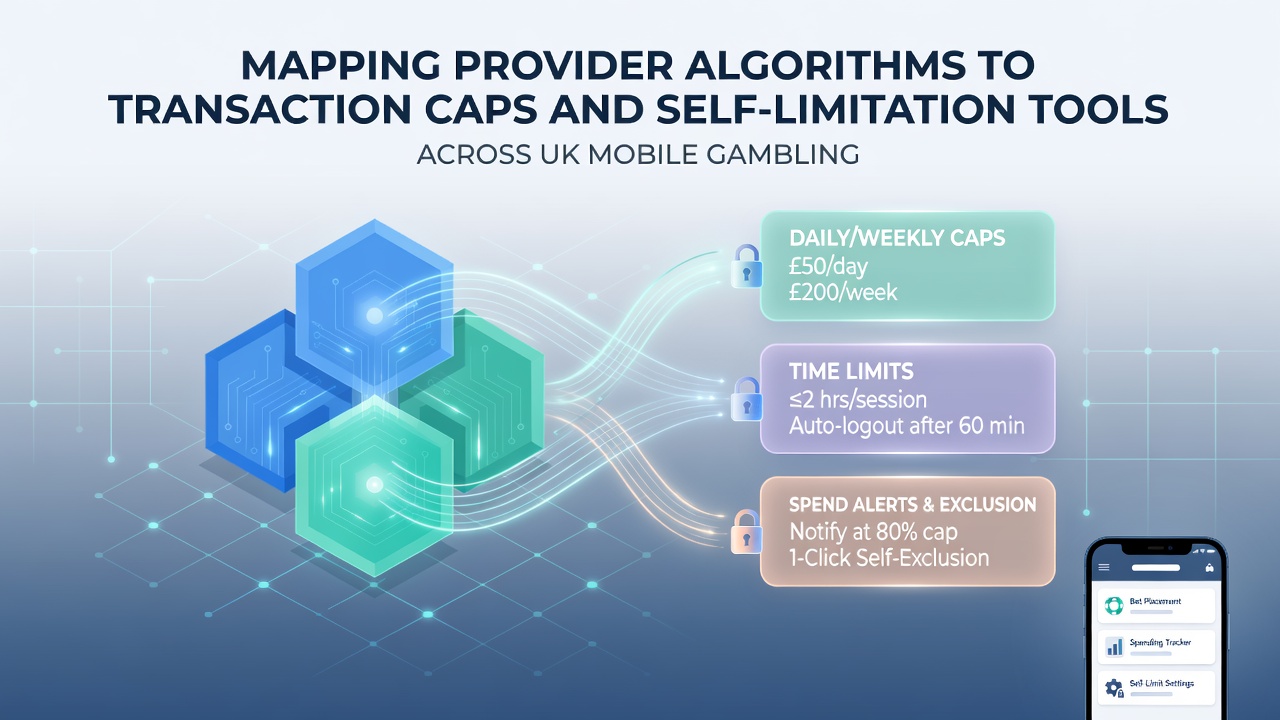
Self-limitation tools encompass reality checks, cool-off periods, deposit blockers, and time-based session locks that users activate through mobile menus, yet their effectiveness depends on seamless connections to the underlying provider algorithms that supply activity data. Researchers discovered that these tools receive mapped inputs where algorithm-detected patterns, such as extended play streaks or clustered high-value bets, prompt proactive suggestions for limit adjustments before users reach manual intervention points. Evidence suggests integration happens via event-driven architectures where a provider algorithm publishes an event like "bet velocity spike" and the self-limitation module subscribes to that event to evaluate whether an automatic tool deployment should occur.
Take one implementation where experts mapped a provider's random number generator output frequency to a loss-limit calculator, and this mapping allowed the system to forecast potential overspending earlier in the session while giving users options to confirm or modify the suggested cap. Another case showed how time-limitation tools pull from session-start timestamps embedded in provider data packets, which enables precise enforcement across interrupted mobile connections that resume later. Figures from industry reports reveal that such mappings reduce the lag between user intent and system response, particularly when algorithms incorporate machine learning elements that refine predictions based on aggregated anonymized datasets.
Comparative Approaches Across Providers
Different providers handle these mappings with varying degrees of granularity, and some expose more internal variables for cap calculations while others restrict access to summarized indicators only. According to analysis from the Gambling Research Exchange Ontario, platforms using open mapping frameworks demonstrate higher consistency in limit application across mobile devices, whereas closed systems require additional translation steps that can introduce minor delays during peak usage. The Australian Gambling Research Centre has documented parallel developments where self-limitation tools integrate with provider algorithms through standardized data protocols that support cross-jurisdictional comparisons, and UK operators have begun adopting similar approaches to streamline compliance workflows.
What's interesting is how mobile-specific constraints, such as battery optimization and intermittent connectivity, influence the design of these mappings, leading to cached limit states that sync when connections restore. Observers note that September 2026 will see several providers release updated algorithm versions explicitly designed to include dedicated fields for transaction cap metadata, which should simplify integration for platform developers and reduce custom coding requirements.
Conclusion
The mapping of provider algorithms to transaction caps and self-limitation tools forms a critical layer in UK mobile gambling infrastructure, and continued refinements through 2026 will likely expand the precision of these connections. Data shows that effective implementations rely on clear data schemas, event-driven triggers, and adaptive middleware that translate raw algorithmic outputs into enforceable user controls, and this structure supports both regulatory alignment and operational efficiency across diverse provider ecosystems.