The Intersection of Software Integration and Transaction Protocols in Mobile Responsible Gambling Frameworks
Henrik Hansen · Aug 25, 2026
The Intersection of Software Integration and Transaction Protocols in Mobile Responsible Gambling Frameworks
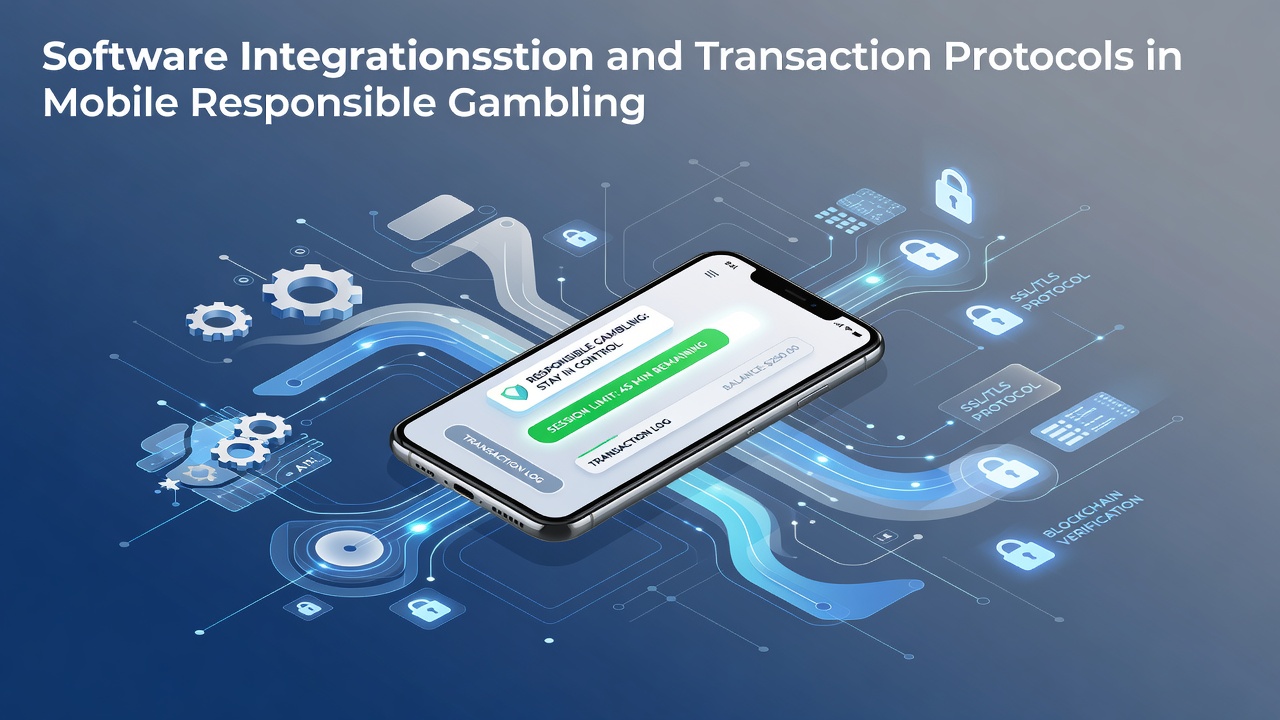
Software integration and transaction protocols meet at a critical point in mobile responsible gambling frameworks where real-time controls meet payment processing, and operators build systems that enforce spending limits while handling deposits and withdrawals across multiple jurisdictions. Developers combine application programming interfaces with secure payment gateways to create environments where user-set boundaries trigger automatic blocks at the transaction level rather than after the fact.
Core Components of Mobile Frameworks
Mobile platforms rely on modular software layers that connect front-end user interfaces to backend compliance engines, and these layers communicate through standardized protocols that verify identity, track activity, and authorize or decline transfers based on predefined rules. Transaction protocols such as those built on ISO 20022 messaging standards allow systems to embed metadata about responsible gambling status directly into payment instructions, which means a deposit request can be evaluated against current loss limits before funds move.
Observers note that integration points often occur at the account funding stage, where mobile SDKs from third-party providers pull data from both the gambling operator's database and the user's linked financial institution. This setup lets platforms apply time-based restrictions or session limits without requiring separate user action beyond the initial setup.
Transaction Protocols and Real-Time Enforcement
Secure transaction protocols handle more than fund movement because they now carry compliance flags that responsible gambling systems read instantly, and this capability has grown as mobile payment rails like those used in open banking initiatives expand across Europe and parts of North America. When a user attempts a deposit that would exceed a daily or monthly cap, the protocol returns a decline code tied to the responsible gambling rule rather than a generic insufficient funds message.
Data from regulatory filings shows that operators using these integrated approaches report fewer manual interventions, since the software layer manages most limit checks automatically. In August 2026 several jurisdictions plan to require enhanced reporting on these automated blocks as part of broader updates to digital gambling standards.

Integration Challenges Across Regions
Developers face varying technical requirements when rolling out frameworks that span multiple countries, because transaction protocols must align with local banking rules while software integration layers accommodate different age-verification methods and self-exclusion registries. Australian regulators, for instance, have documented how real-time data feeds between state-based exclusion lists and mobile operators reduce duplicate account creation attempts.
One study released by the National Council on Problem Gambling examined how API connections between payment processors and gambling platforms affect user behavior tracking, and the findings indicated measurable improvements in limit adherence when enforcement happens at the protocol level rather than through post-transaction notifications.
Security Standards and Data Flow
Encryption standards such as TLS 1.3 combined with tokenization keep sensitive financial and behavioral data protected during transfer between mobile apps and central servers, while audit logs capture every integration call and protocol response for later review. Payment card industry rules require segmentation of transaction data from gambling activity records, yet responsible gambling frameworks need enough visibility to enforce limits without violating those same security boundaries.
Researchers at several universities have mapped these data flows to identify where latency occurs, and their models show that optimized API gateways can reduce decision time for limit checks to under 200 milliseconds, which keeps the user experience smooth on mobile devices.
Future Protocol Developments
Industry groups continue to explore extensions to existing transaction standards that would allow more granular responsible gambling parameters to travel with each payment message, and testing of these extensions is scheduled to expand in late 2026. Observers expect the updates to support features such as automatic currency conversion alongside limit calculations for users who play across borders.
Case examples from operators in regulated markets demonstrate that successful integrations often start with a clear mapping of every data point exchanged between the mobile front end, the compliance engine, and the payment processor before any code is written.
Conclusion
The technical meeting point between software integration and transaction protocols determines how effectively mobile responsible gambling frameworks can operate in practice, and continued refinement of these connections shapes the accuracy and speed of protective measures across different regulatory environments. As standards evolve through 2026 and beyond, the focus remains on maintaining secure, compliant data exchanges that support both player protections and operational requirements.